Understanding the Mechanisms of Neurological Disorders Using iPSCs and Organoids

Research Image

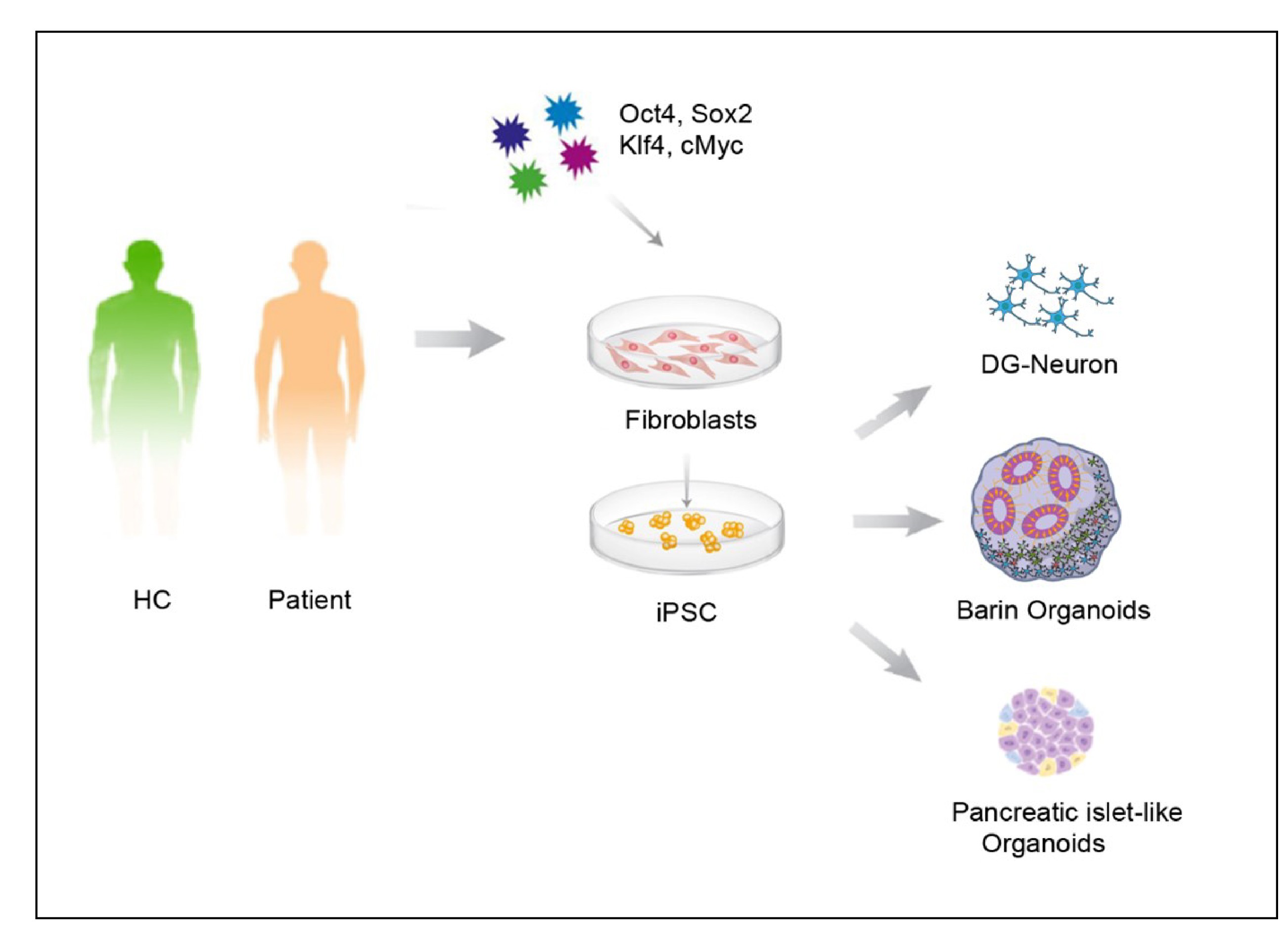
Our mechanistic research mainly focuses on bipolar disorder (BD) and depression. BD is characterized by alternating episodes of depression and mania, making it more complex than unipolar depression, autism, or schizophrenia. Consequently, the mechanistic understanding of BD remains limited.

To address this, we generate iPSC- and organoid-based models from sporadic BD patients. Through molecular genetics, electrophysiology, and fluorescence imaging, we aim to identify high-risk genetic factors across diverse patient backgrounds and to elucidate their shared molecular and cellular mechanisms.
Research on Microglial Function

Second Research Image

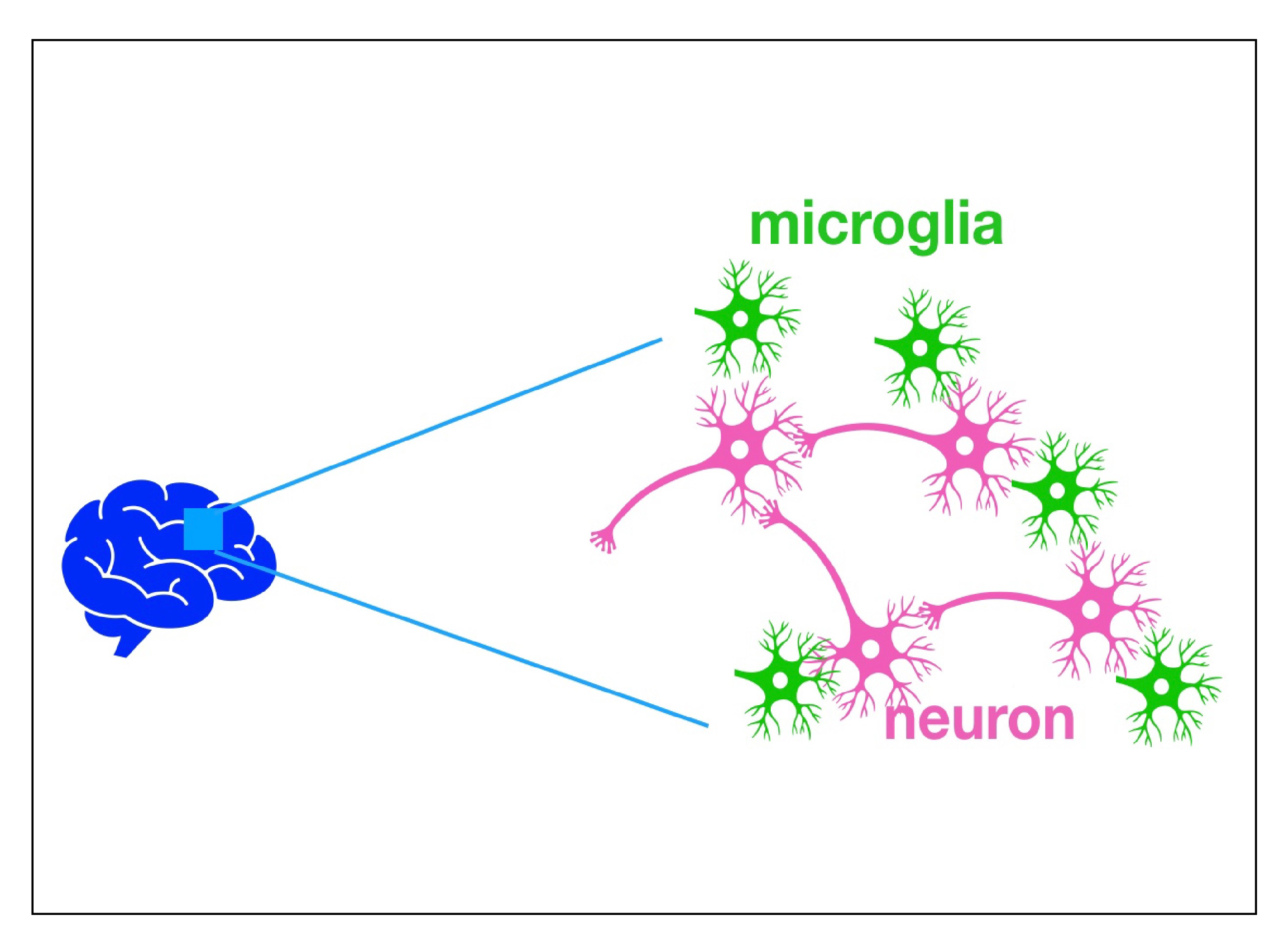
Microglia, the resident immune cells of the brain, play crucial roles in neurological and psychiatric disorders such as Alzheimer’s disease, schizophrenia, and autism. We investigate the roles of microglia and neuron–microglia interactions in bipolar disorder using two complementary strategies:

1) Transplanting patient iPSC-derived microglia into the mouse brain; and

2) Selectively suppressing microglia-related disease-risk genes—identified from patient iPSC/organoid studies or clinical data—in mouse microglia to assess their effects on neuronal functions and behaviors.

Using these approaches, we have shown that BD patient–derived microglia regulate synaptic pruning, and we have established a mechanistic link between membrane lipid composition, microglial phagocytosis, and disease pathology, providing new insights into BD pathophysiology and microglial function.


Developing Vascularized Organoids for Studying Vascular Diseases and Nervous System Vascularization

Third Research Image

Another major focus of our lab is the pathogenesis of cerebrovascular diseases. Current brain organoid models typically lack the vascular circulation present in vivo, which limits their physiological relevance.

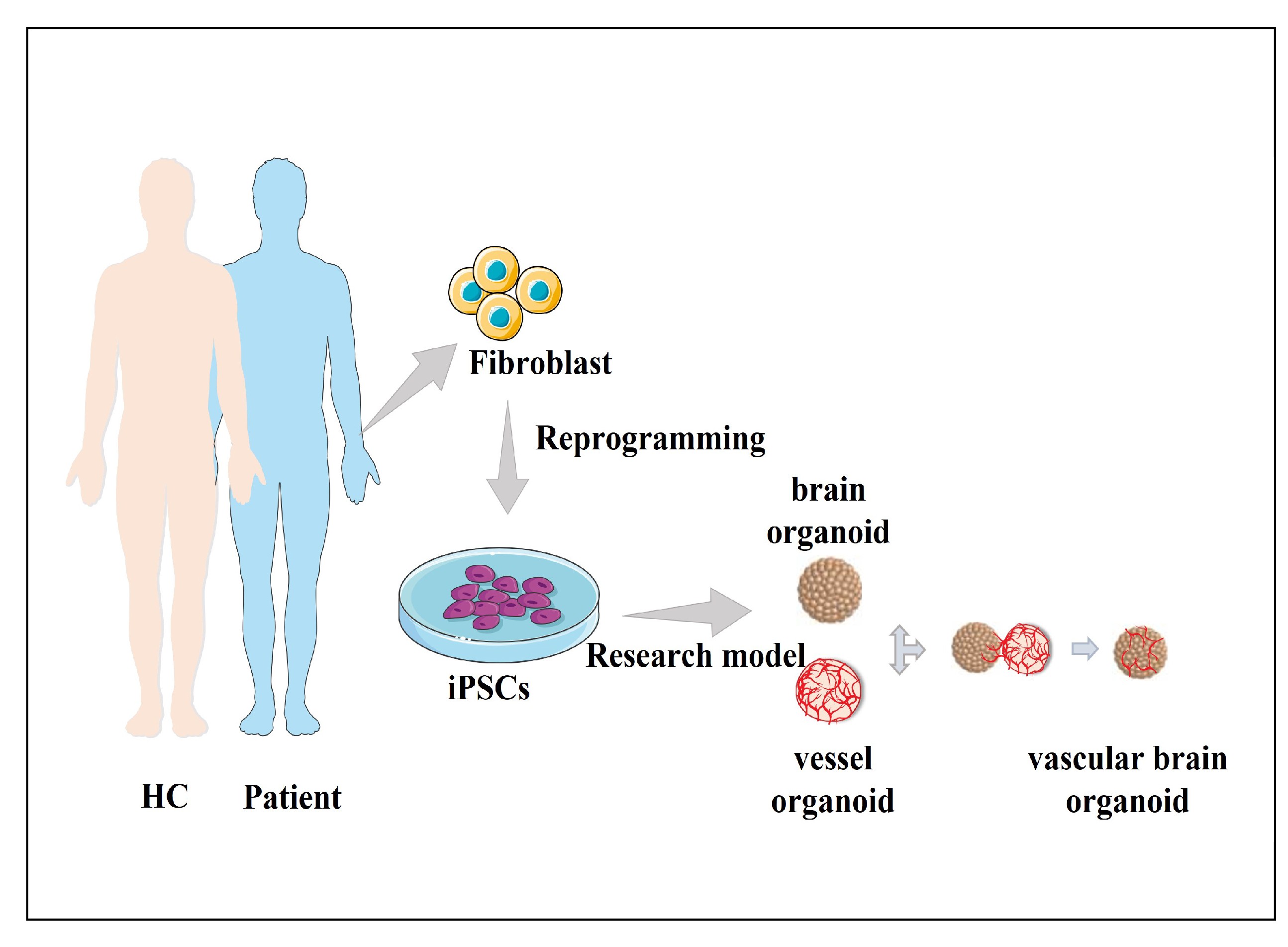
To overcome this limitation, we generate self-organizing three-dimensional human blood vessel organoids from iPSCs. These organoids contain endothelial cells and pericytes that self-assemble into capillary-like networks surrounded by basement membranes.

By co-culturing patient-specific blood vessel and brain organoids, we produce vascularized brain organoids that recapitulate aspects of nervous system vascularization. This approach allows us to model patient-specific vascular pathologies and to investigate the mechanisms underlying complex cerebrovascular diseases.


Engineering AAV Mutants for Brain Targeting and Gene Therapy Applications

Fourth Research Image

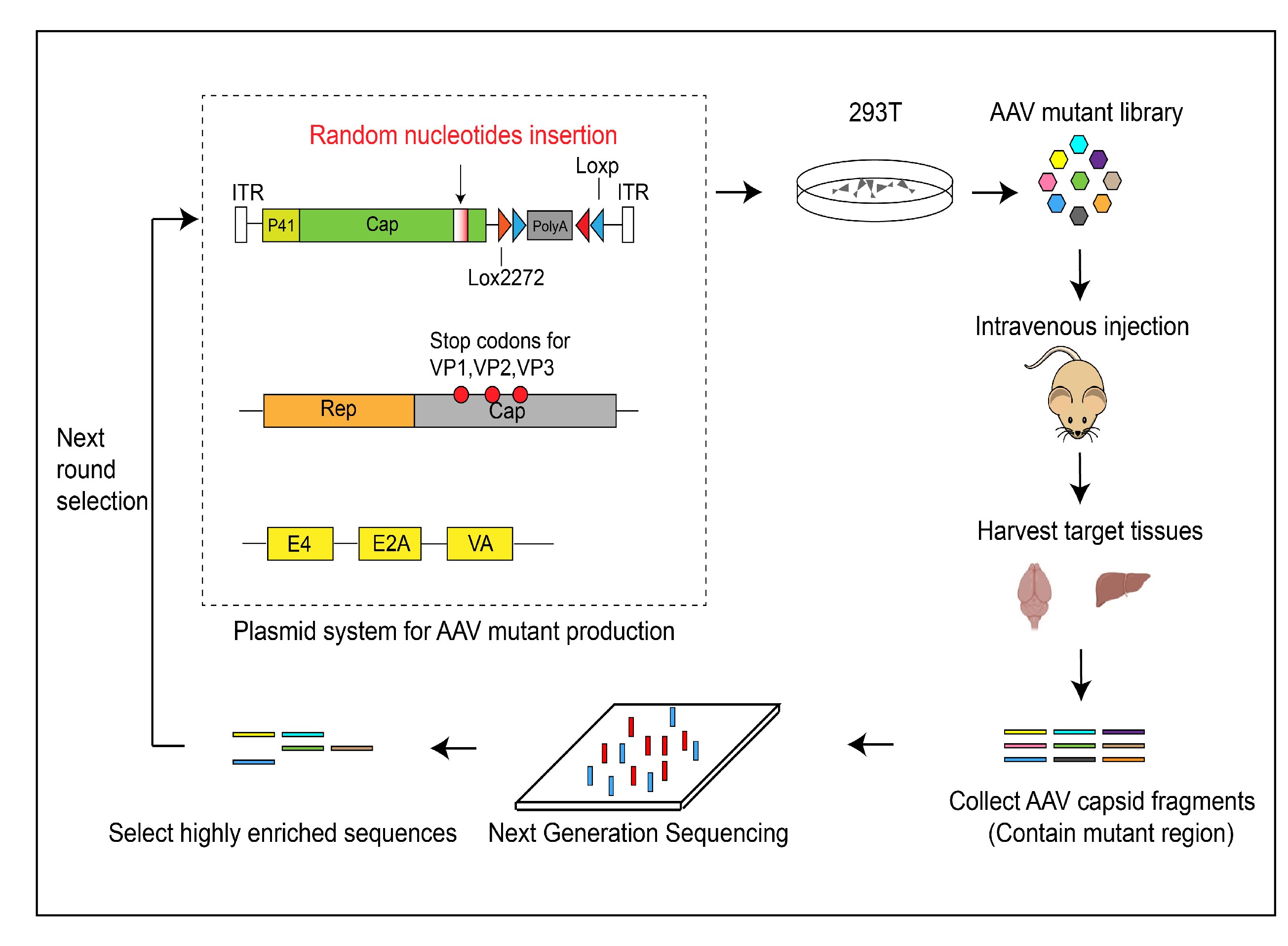
We apply a directed evolution approach to engineer adeno-associated virus (AAV) serotypes with enhanced brain tropism. Random mutations are introduced into capsid regions critical for virus–host interactions to construct a mutant AAV library. The library is then intravenously injected into mice, and viral genomes enriched in the brain are isolated and analyzed using next-generation sequencing (NGS).

Through multiple rounds of in vivo selection and validation, we aim to identify AAV mutants that can efficiently cross the blood–brain barrier and achieve widespread gene expression in the brain. We further explore the application of these optimized AAV vectors in combination with gene-editing technologies for neuroscience research and potential gene therapies targeting mental disorders.